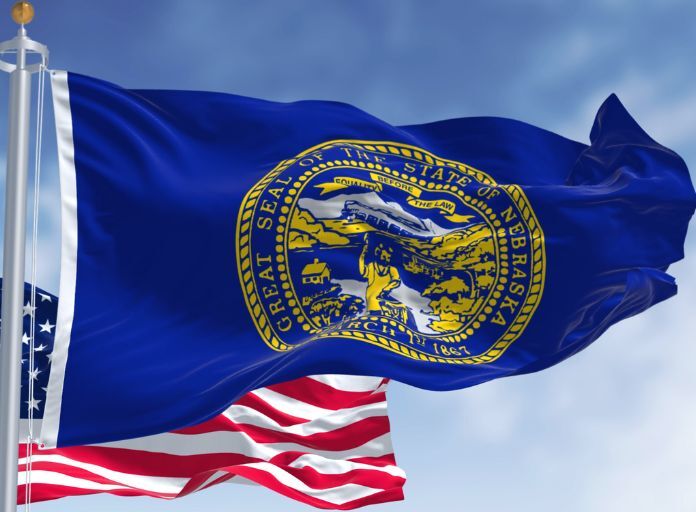
Comprehensive Self Storage Resources for Nebraska

Discover essential resources tailored for self-storage owners and operators in Nebraska.

From local Nebraska laws and regulations to association connections and industry updates, this page is your go-to hub for reliable, up-to-date information to help you thrive in the self-storage business.

nebraska-1

Nebraska Self Storage Owners Association

The Nebraska Self Storage Owners Association (NSSOA) is a trusted organization dedicated to supporting the self-storage industry in Nebraska.

By fostering collaboration among facility owners, operators, and vendors, NSSOA promotes best practices, provides valuable resources, and advocates for fair regulations.

Nebraska Self Storage Facts

Nebraska is a stable self-storage market in the central United States, supported by steady economic growth, suburban expansion around Omaha and Lincoln, and continued residential demand.

Whether you're an operator, investor, or tenant, understanding the local landscape helps you make smarter decisions.

move-out-icon

Number of Storage Facilities

 Nebraska is home to over 342 self-storage facilities . (source)
move-out-icon

Storage Space

 These facilities offer more than 10,404,911 million square feet of storage space combined. (source)
move-out-icon

Transaction Velocity

 Each year, an estimated 155,000 storage units are auctioned off. (source)

Private Investors Dominate Nebraska’s Self-Storage Sector Amid Lending Challenges

Nebraska’s self-storage market in 2024 experienced strong transaction activity despite economic headwinds and higher borrowing costs. A shift toward on-market sales led to higher sale prices per square foot, while private investors dominated smaller deals due to flexibility in investment strategy.

Key Points:

1

Shift to On-Market Sales: Sellers earned 70% more on average by listing properties publicly, prompting a significant decline in off-market transactions.

2

Economic Impact on Lending: Volatility in the U.S. 10-year Treasury and inconsistent Fed rate cuts complicated commercial lending, limiting larger institutional deals.

3

Private Investor Dominance: Private operators led the market, capitalizing on flexibility and long-term value creation through rent increases and better management despite negative leverage scenarios.

Events

Explore the Calendar of Upcoming Events!